Water as a Human Right : a rights-based approach
The United Nations General Assembly recognised access to safe, clean, and affordable drinking water as a human right in 2010. Yet, with the passing of Human Rights Day on 10 December, we were reminded that this right remains largely unfulfilled. Calling water a basic and inalienable right rings hollow when statistics show that 1 in 4 people globally still lack access to safe drinking water. That is an estimated 2.1 billion people globally.
For women and girls, whose daily lives are disproportionately shaped by the responsibility of collecting water, the act of denying safe water is a denial of the right to health, education, income production, and personal security. Our work across Sub-Saharan Africa continues to show that safe water is not just a development goal; it is the essential precondition for human dignity and equal opportunity. The advocacy for our work takes many forms, but crucially a rights-based approach.

Human Rights Impact Mapping for Safe Water Access
The United Nations has documented the extent to which Water, Sanitation, and Hygiene (WASH) interventions contribute to human rights outcomes. From global evidence and our own primary data, safe water access contributes to advances in several domains:
Health and Well-being
Reduced exposure to waterborne illness materially improves community health and contributes to the right to life and standard of living.
Education
When children, particularly girls, spend less time collecting water and face fewer-illness-related absences, the right to education becomes more attainable.
Economic Opportunity
Time savings enable households to reallocate hours toward income-generating work or farming, all of which enhance livelihoods and support the right to development.
Dignity and Personal Security
Short, safe paths to water reduce risks related to gender-based violence and increase consistency in hygiene practices, supporting the right to dignity.

A Rights-Based Approach in Practice
Geography, population density, and individual water behaviours will all influence which outcomes are most salient in a given community. Based on Project Maji's experience in remote rural settings, there are a number of contextual drivers that shape human rights outcomes:
Pre-intervention Practices
To properly intervene with a solution for access to water, understanding the community's practices of water is critical. Baseline surveys provide clarity on the length of the journey, safety risks, household water needs, and responsibilities at the gender level. These practices will define the impacts that relate to human rights improvements.
Geography and infrastructure
The terrain, distance to the water source, and climate variability all affect the burden and risk to water collection. Poor road access in rural communities, along with seasonal water shortages, increases the incidence of blatant human rights violations. A reliable, safe water intervention can be life-transforming.
Institutional contexts
Local governance structure, informal authorities, and other service providers influence the sustainability and inclusiveness of the WASH system. Strong local participation builds transparency, accountability, and protection of rights.

Recommendations
To inform strategies with a human rights-based approach to WASH, Project Maji recommends the following practices:
To utilise standardised and field-tested indicators for monitoring rights-aligned outcomes
To base all measurements on disaggregated data, such as by sex and by age
To be sensitive to data collection methods in the community, respecting privacy and cultural negations
To carry out thorough initial measurements, including awareness of existing burdens
To select or alter indicators and initiatives to match the situation in each community
To use measures of outcome that be readily assessed in the short- to medium-term (e.g. time-savings, health improvements, perceptions of safety)
These actions will enable WASH enterprises to reliably measure how safe water advances human rights outcomes within a reasonable implementation time frame.
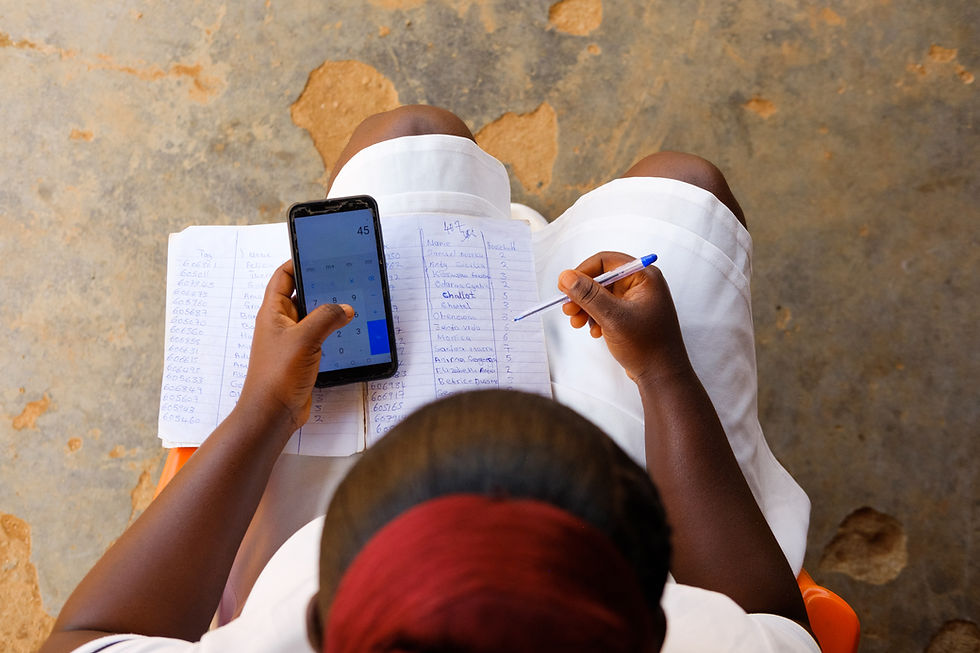
Many of Project Maji's established methodologies align closely with the human rights-centred approaches described above. Prior to any construction, our baseline surveys remain a key part of responsible WASH work to identify the lived experience of community members and to establish the extent to which interventions meet community needs and lessen the burden for women and girls.
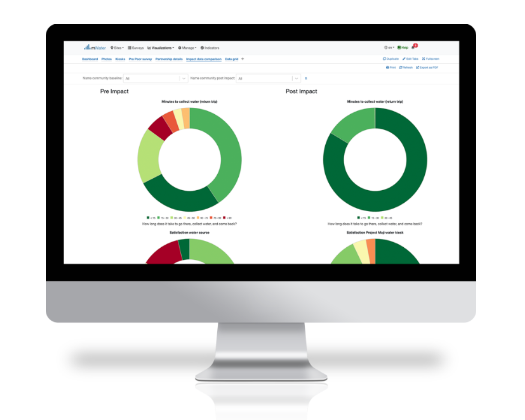
In addition, our choice of near-term outcomes with measurable results - a decrease in the time taken to collect water, improving perceptions of safety, and increasing school attendance - acknowledges that while WASH solutions often aid in a shift towards long-term structural changes, WASH solutions alone do not create structural change.
Human rights are incremental and multi-factorial. While safe water alone will not remove systemic barriers, it catalyses other basic human rights. In 2026, we reaffirm our commitment to increasing access to reliable, safe water to rural and disadvantaged communities. Water is more than a service; it is a pathway to dignity, equality, and opportunity.